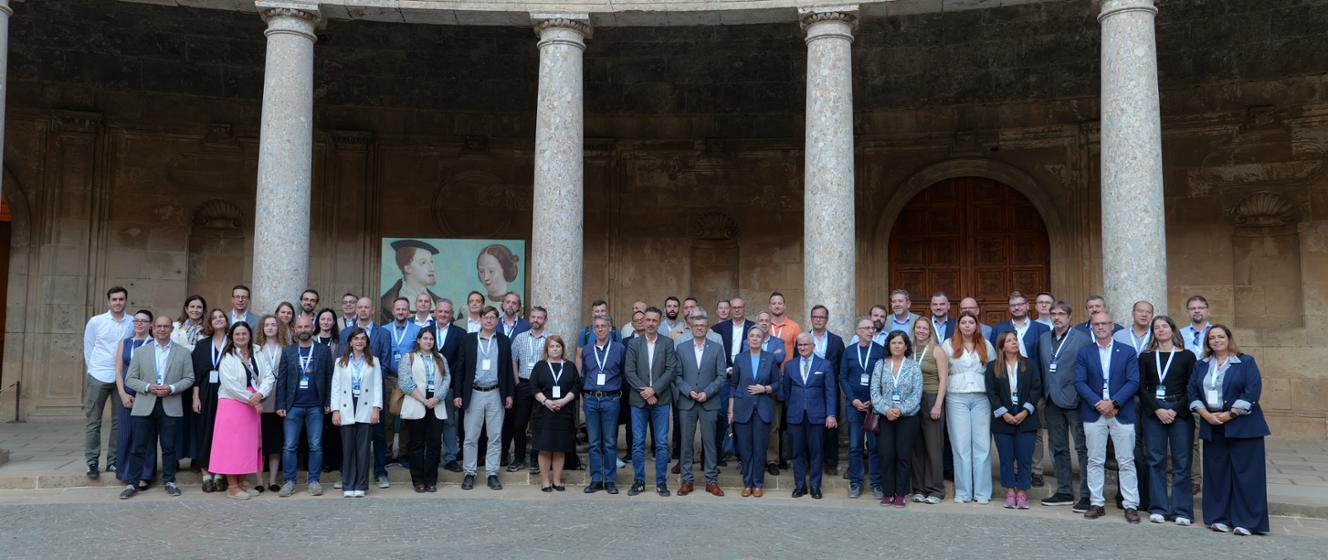
Mazowiecki Urząd Wojewódzki in Warsaw has become part of the international EUNOMIA.AI consortium, which is preparing the implementation of generative artificial intelligence in public administration. The official launch of the project took place in Granada on October 26–27, 2026. The project envisages that by 2029, 25 administrative units across Europe will gain access to specialized tools based on GenAI technology.
Scale of the Initiative and Funding Sources
33 organizations representing 14 countries are participating in the project. The total budget of EUNOMIA.AI is €13.99 million, with half of this amount coming from co-financing provided by the EU's "Digital Europe" Programme. The implementation of activities is scheduled to last until June 30, 2029, while the first pilot projects are planned to launch as early as 2027.
Open Source and Legal Compliance
The solutions developed within the initiative will be based on European open-source technologies. This means that the source code will be publicly available, enabling its verification and reuse by other entities. Designers have ensured that the systems comply with the requirements of the EU AI Act and the General Data Protection Regulation (GDPR). The infrastructure supporting the development of these tools will be maintained on the premises of the University of Granada.
Pilot Areas
Future implementations will focus on four key areas. First, the tools will help automate administrative processes, such as document analysis, decision drafting, and the execution of public procurement. Second, Law as Code solutions will be introduced to facilitate the interpretation of regulations and translate legal rules into plain language. The next element will be multilingual virtual assistants, answering inquiries from citizens, companies, and office staff regarding, among other things, procedures and funding eligibility. The final pillar is multimodal automation, which allows for the simultaneous processing and classification of various types of data, including audio recordings and graphic files.
The selection of specific pilot projects and their detailed development are currently in the finalization stage. The main goal of these actions is to reduce the time spent on repetitive official duties and to improve the quality of citizen services.