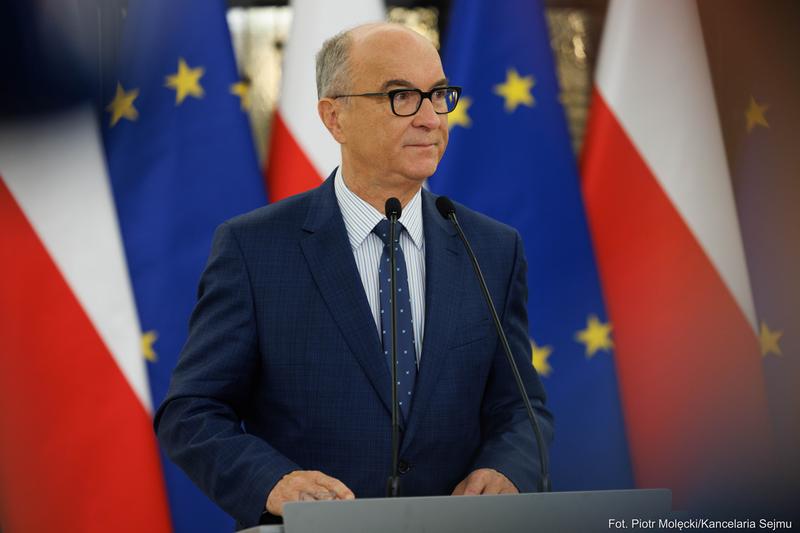
Włodzimierz Czarzasty, the Marshal of the Sejm, presented the schedule for the 67th session of the Chamber, which began on Tuesday, October 20, 2026. The proceedings will last four days, and the agenda includes, among other things, regulations related to the right to abortion, a package of changes to the healthcare system, and a revision of the tax system. The Marshal detailed the specifics during a press conference, pointing to key votes scheduled for the first day of the session.
Bill on Abortion and Healthcare
The main topic of the first day of the session is two bills concerning abortion. The first proposes decriminalizing assistance in terminating a pregnancy and excluding criminal liability for medical personnel providing such assistance. The second bill concerns restoring the possibility of terminating a pregnancy in cases of severe fetal defects, which, according to the Marshal, means reversing the effects of the 2020 ruling by the Constitutional Tribunal.
The next thematic block covers a package of reforms aimed at protecting healthcare. The Sejm will consider a bill introducing caps on salaries and working hours for medical personnel. The proceedings will also address regulations ensuring the transparency of tenders for healthcare services and contracts concluded in this regard. A key element of the package is guaranteeing stable funding for hospitals that find themselves on a restructuring or consolidation path; this safeguard is to remain in effect until 2029.
Tax System Reform
The Sejm will also address a broad reform of the tax system, which, as indicated by the Marshal, will cover approximately 3.5 million taxpayers. The main changes concern income thresholds and rates of personal income tax. The first tax threshold will be raised to 130,000 PLN, maintaining a rate of 12%. A new, intermediate rate of 24% will be introduced, covering income in the range from 130,000 PLN to 150,000 PLN. The highest rate, amounting to 32%, will apply to income exceeding 150,000 PLN.
The Marshal emphasized that the costs of the changes will be borne by the largest companies in Poland. The CIT rate for enterprises with revenue exceeding 50 million euros will increase from 19% to 22%. Additionally, the so-called solidarity contribution will be increased from 4% to 5% for individuals achieving an annual salary above 1 million PLN. The changes will also affect the lump-sum tax (ryczałt ewidencyjny), for which the revenue limit qualifying for this form of taxation will be lowered from 2 million euros to 250,000 euros. The Marshal's statement also included information about the planned increase in excise duties and the introduction of a higher sugar levy, with funds from which are to finance expenditures for the National Health Fund (Narodowy Fundusz Zdrowia).
Personal Assistance and Political Motions
On Thursday, the last day of the session, the Sejm will review the Senate’s amendments to the Act on personal assistance for persons with disabilities. The Marshal noted that the new act is of significant social importance, as approximately 100,000 persons with disabilities will use the assistance system, and it will indirectly affect the situation of approximately half a million members of their families.
The agenda also includes a motion to express a vote of no confidence in the Minister of Finance and Economy, Andrzej Domański. The Chamber will also make a decision regarding the amendment to the Electoral Code, which provides for the abolition of the two-term limit for mayors, town burmistrs, and city presidents.
Information Activities
The Marshal announced a press conference scheduled for Wednesday at 12:00 dedicated to healthcare. The meeting aims to provide detailed information regarding the National Health Debate, which will take place in the Sejm on October 30. Włodzimierz Czarzasty explained that the debate is being organized at the request of patient organizations and organizations representing doctors.